Rainbow Flower Font: A Friendly Handwritten Typeface for Creative Projects
There's a certain warmth that a handwritten font can bring to a design, a human touch that digital precision often misses. Rainbow Flower Font captures this essence perfectly. It’s a sweet, friendly, and incredibly versatile typeface that feels like it was just written by a friend with a steady hand and a creative spirit. Its natural, flowing character avoids the stiffness of formal script fonts, making it an approachable choice for a vast array of applications. The style is unique enough to stand out, yet familiar enough to feel instantly welcoming.
Visual Personality and Appeal
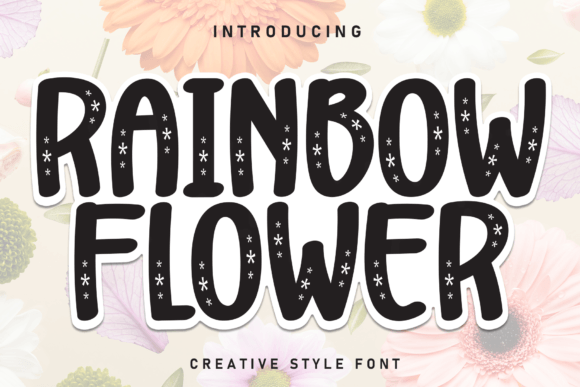
Rainbow Flower Font isn't just another script font; it carries a distinct personality. The letterforms have a gentle bounce and a slight inconsistency that mimics real handwriting, giving it an authentic, organic feel. The weight is balanced—not too thin to disappear on busy backgrounds, and not too thick to overwhelm a layout. This makes it a fantastic display font for headlines where you want to inject personality without sacrificing legibility. Its appeal lies in its ability to be both playful and polished, straddling the line between casual and professional with ease.
Where This Creative Font Truly Shines
The real strength of Rainbow Flower Font is its chameleon-like adaptability. It’s not confined to a single design niche. For brand identity, it’s a natural fit for businesses that want to project approachability and creativity—think boutique bakeries, craft studios, indie bookshops, or wellness coaches. Using it in a logo design can immediately set a friendly, inviting tone.
In editorial design and packaging design, it adds a personal, crafted touch to magazines, blog headers, product labels, and gift tags. For digital and web design, it can make website banners, social media graphics, and email newsletters feel more engaging and personal. Content creators and bloggers will find it invaluable for creating consistent, recognizable visuals across platforms. Even for print projects like wedding invitations, greeting cards, or event posters, its charm is undeniable.
Practical Guidance for Implementation
Choosing a font is a practical decision. Here’s how to evaluate if Rainbow Flower Font is the right design asset for your project.
Evaluating Project Fit: Consider your audience and message. This font excels in contexts where warmth, creativity, and a personal connection are key. It might be less suitable for a corporate law firm’s annual report, but perfect for a local florist’s website. Always ask: does this typeface support the story I’m trying to tell?
Testing Font Pairings: A handwritten font like Rainbow Flower works best when paired with something clean and neutral. Try combining it with a simple sans serif font for body text or a classic serif font for a more traditional contrast. The goal is to create a visual hierarchy where the handwritten element draws the eye for key messages, while the supporting font ensures readability for longer passages.
Understanding the Package: When you acquire a premium font, you’re often getting more than just the basic letters. Check what’s included. Does Rainbow Flower Font come with alternates, ligatures, or stylistic sets that allow you to customize the look? Are there multiple weights or styles? This flexibility can be crucial for maintaining a cohesive yet dynamic design across a large project.
Readability Considerations: Handwritten fonts, by nature, can present challenges at very small sizes. Always test Rainbow Flower Font at the intended size, especially for body copy or critical information. It’s generally best used for headlines, short phrases, or display text where its character can be appreciated without straining the reader’s eyes.
Licensing for Commercial Use: If you’re using this font for client work, merchandise, or any commercial project, ensure you have the correct license. Reputable font foundries provide clear licensing terms. Understanding these terms protects you legally and ensures you’re supporting the creators who design these valuable creative fonts.
Enhancing Visual Communication
Integrating a font like Rainbow Flower thoughtfully can significantly influence your design’s effectiveness. It can improve visual hierarchy by drawing attention to headlines or calls-to-action. Its consistent use across materials strengthens brand recognition, making your visual identity more memorable. The inherent friendliness can positively influence brand perception, making an audience feel more connected to your message. In a world saturated with generic digital text, a well-chosen handwritten font can be the detail that makes your project feel more human, engaging, and trustworthy.
Rainbow Flower Font is more than just a typeface; it’s a tool for adding personality and connection. By understanding its strengths and applying it with thoughtful consideration for your project’s needs, you can unlock its potential to make your designs not only look beautiful but also communicate more effectively. The only limit, as its description suggests, is your imagination.